
Quartz vs Quartzite Countertops: What’s the Real Difference?
If you’re researching new countertops for your kitchen or bathroom, you’ve likely come across two popular options: quartz and quartzite. While their names sound similar, these materials are completely different in composition, performance, maintenance, and cost.
Understanding the real difference between quartz and quartzite countertops is essential before making a long-term investment—especially in high-demand environments like Florida homes.
This complete SEO-optimized guide breaks down everything you need to know.
What Is Quartz?
Quartz countertops are engineered stone surfaces made from approximately 90–95% crushed natural quartz combined with resins, polymers, and pigments.
Key Features of Quartz:
- Non-porous surface
- Highly consistent patterns and colors
- Resistant to stains and bacteria
- Low maintenance (no sealing required)
- Wide range of modern designs
Quartz is manufactured, which allows for greater control over appearance and performance.
What Is Quartzite?
Quartzite countertops are 100% natural stone, formed when sandstone undergoes intense heat and pressure beneath the Earth’s surface.
Key Features of Quartzite:
- Natural and unique veining
- Extremely hard and durable
- Heat resistant
- More porous than quartz (requires sealing)
- Often resembles marble
Quartzite is quarried from the earth and cut into slabs, making each piece one-of-a-kind.
Quartz vs Quartzite: Side-by-Side Comparison
1. Composition
- Quartz: Engineered (man-made)
- Quartzite: Natural stone
👉 Bottom line: Quartz is manufactured; quartzite is naturally formed.
2. Appearance
- Quartz: Uniform patterns, modern look
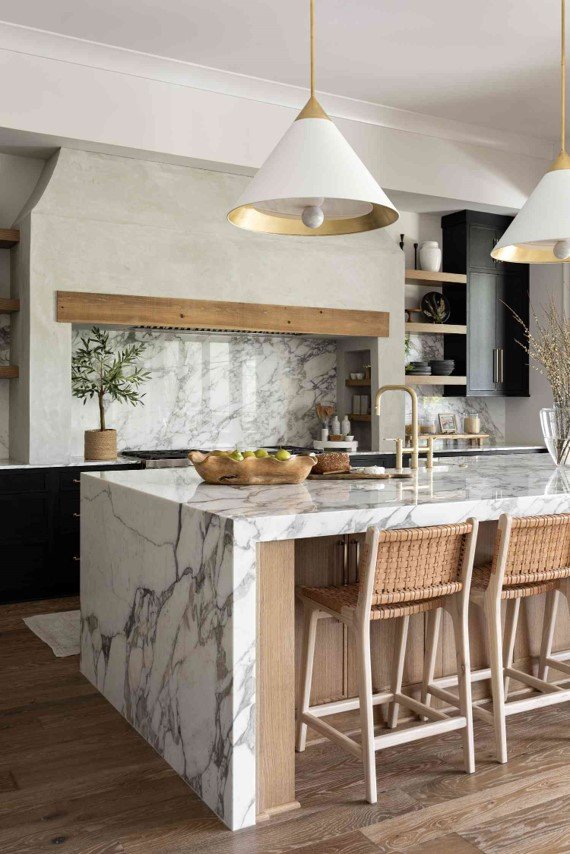
- Quartzite: Natural veining, marble-like elegance
👉 Best for:
- Modern kitchens → Quartz
- Natural luxury designs → Quartzite
3. Durability
- Quartz: Very durable but slightly softer than quartzite
- Quartzite: Extremely hard (harder than granite)
👉 Winner: Quartzite (slightly more resistant to scratches)
4. Maintenance
- Quartz: No sealing required, easy cleaning
- Quartzite: Needs periodic sealing to prevent stains
👉 Winner: Quartz (low maintenance)
5. Heat Resistance
- Quartz: Moderate (can be damaged by high heat)
- Quartzite: Excellent heat resistance
👉 Winner: Quartzite
6. Stain Resistance
- Quartz: Highly resistant (non-porous)
- Quartzite: Can stain if not sealed
👉 Winner: Quartz
7. Cost
- Quartz: $60 – $120 per sq. ft. installed
- Quartzite: $80 – $150+ per sq. ft. installed
👉 Winner: Quartz (more budget-friendly)
Pros and Cons of Quartz Countertops
Pros:
- Low maintenance
- Wide color options
- Consistent appearance
- Resistant to stains and bacteria
Cons:
- Not fully heat resistant
- Less natural look
- Can discolor under UV exposure (in some cases)
Pros and Cons of Quartzite Countertops
Pros:
- Natural beauty
- Unique patterns
- Extremely durable
- Heat resistant
Cons:
- Requires sealing
- Higher cost
- Limited color options compared to quartz
Which Is Better for Florida Homes?
In Florida’s humid and coastal climate, choosing the right countertop material is critical.
Quartz is ideal if:
- You want low maintenance
- You prefer modern, clean designs
- You need strong stain resistance
- You want consistent color
Quartzite is ideal if:
- You love natural stone aesthetics
- You want high heat resistance
- You don’t mind periodic maintenance
- You want a luxury, high-end look
👉 Pro Tip: For kitchens with heavy daily use, quartz is often the most practical choice. For luxury kitchens or statement islands, quartzite stands out.
Common Mistakes to Avoid
- Confusing quartz with quartzite
They are completely different materials. - Ignoring maintenance requirements
Quartzite needs sealing—quartz does not. - Choosing based only on looks
Performance matters just as much as aesthetics. - Not considering climate
Florida humidity can impact natural stone over time. - Hiring inexperienced installers
Proper fabrication and installation are critical for both materials.
Installation Differences
Quartz Installation:
- Easier to fabricate
- More predictable cuts
- Faster installation timeline
Quartzite Installation:
- Harder to cut (requires specialized tools)
- Heavier slabs
- More labor-intensive installation
👉 Always hire experienced countertop professionals for either option.
How to Choose Between Quartz and Quartzite
Ask yourself these questions:
- Do I want low maintenance or natural beauty?
- Is heat resistance a priority?
- What is my budget?
- Do I prefer uniform or unique patterns?
- How much daily use will the surface get?
Final Verdict: Quartz vs Quartzite
There is no “one-size-fits-all” answer.
- Choose Quartz if you want durability, easy maintenance, and modern design.
- Choose Quartzite if you value natural elegance, uniqueness, and heat resistance.
Both materials are excellent—but the right choice depends on your lifestyle, budget, and design goals.